Flower Books: A Designer's Review for Brand Merch
As an embroidery designer who has spent years translating brand visions into tangible stitched assets, I approach every new machine embroidery design with a critical eye. It is not enough for a file to look good on a screen; it must translate seamlessly onto fabric, withstand the rigors of daily wear, and elevate the perceived value of the product it adorns. Today, I am reviewing Flower Books, a design categorized under School but promising a touch of whimsy and charm suitable for towels, pillows, and home decor. My goal is to determine if this specific embroidery file holds up as a professional asset for small business merchandise, branded patches, and custom apparel.
First Impressions: Whimsy Meets Professionalism
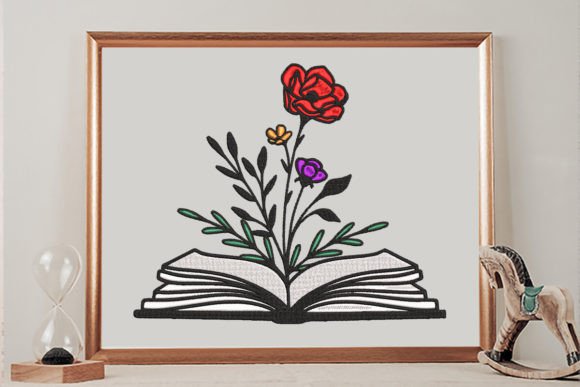
Upon opening the digital preview of Flower Books, the immediate visual impact is one of soft elegance mixed with playful character. The title suggests a narrative quality, likely combining botanical elements with literary motifs. For a small business owner or an Etsy seller looking to differentiate their brand, this aesthetic offers a distinct advantage over generic geometric logos. It feels handmade yet polished, striking a balance that appeals to boutique shoppers, creative studios, and local businesses like bakeries or florists.
In the world of brand identity, the ability to convey warmth is crucial. While many corporate designs lean heavily into minimalism, Flower Books offers a decorative flair that can humanize a brand. However, the challenge lies in ensuring that "whimsical" does not translate to "childish" when applied to professional settings such as staff uniforms or high-end tote bags. The design must maintain structural integrity while delivering its charming message.
Evaluating Performance in Real Business Scenarios
To truly understand the utility of Flower Books, we must move beyond home decor and test its viability in commercial applications. Here is how I envision this design performing across various sectors of the small business merch industry:
- Branded Patches and Caps: One of the most versatile uses for this design is as an embroidered patch. The intricate details suggested by the title make it ideal for a chest logo accent or a sleeve detail on work shirts. If the outlines are clean, it could serve as a standout cap embroidery piece for a book club, a school supply store, or a literary-themed café. The key here is ensuring the stitch count allows for crisp edges without excessive bulk.
- Tote Bags and Shopping Accessories: As the description mentions towels and home decor, the scale of Flower Books seems well-suited for larger surfaces. A tote bag design featuring this motif could become a signature item for a bookstore or a craft fair vendor. The whimsical nature encourages customers to carry the brand with pride, turning the bag into a walking advertisement.
- Apron Embroidery and Staff Uniforms: For a bakery, florist, or boutique, branding your team is essential. Placing Flower Books on the bib of an apron adds a personal, artisanal touch that mass-produced uniforms lack. It signals to the customer that the business values creativity and attention to detail. However, the placement must be strategic to avoid snagging or fading in high-friction areas.
- Event Merchandise and Gifts: This design fits perfectly into the realm of event merch. Whether for a school fundraiser, a library gala, or a local art workshop, Flower Books provides a cohesive visual theme. It works exceptionally well as a handmade product add-on, increasing the perceived value of gift baskets or promotional items.
Critical Considerations for Production
While the potential is clear, a professional review requires addressing where this design might face challenges. Not every digital embroidery file performs equally on every surface. Here are the areas where caution is advised when using Flower Books:
Scale and Detail Integrity
If you plan to use this as a tiny logo on a button or a very small patch, scrutinize the level of detail. Intricate floral or book-like elements can lose definition at small sizes, resulting in a muddy appearance. Always check if the design works at a reduced hoop size. If the details blur together, the finished product will look unprofessional rather than charming.
Fabric Texture and Thread Contrast
The success of any commercial embroidery project depends on the interaction between thread and fabric. On textured fabrics like heavy canvas, wool blends, or looped terry cloth (as mentioned in the description for towels), fine details may get lost. You must select thread colors that offer sufficient contrast against the background material. Darker uniforms require careful color planning to ensure the whimsy of the design remains visible.
Durability and Maintenance
Items like aprons and caps undergo frequent washing and friction. High stitch density areas common in detailed designs can sometimes cause puckering or stiffness. It is vital to test the design on the actual fabric intended for production to ensure it lays flat and withstands laundering without fraying.
Impact on Brand Identity and Customer Trust
Choosing the right design assets directly influences how customers perceive your business. Flower Books has the power to enhance visual consistency across your product line. When a customer sees the same high-quality embroidered motif on a tote bag, a staff apron, and a promotional patch, it builds recognition and trust. It elevates the brand from a simple transaction to an experience rooted in quality craftsmanship.
For handmade brands and Etsy sellers, this type of design reinforces the "made with care" narrative. It differentiates your products from cheaply printed alternatives, justifying a higher price point. The tactile nature of embroidery engages the senses in a way that printing cannot, creating a deeper emotional connection with the buyer.
Practical Designer Notes for Implementation
Before committing to a full production run with Flower Books, follow these professional steps to ensure success:
- Test in Black and White First: Print a grayscale version of the design to check the flow of lines and spacing. This helps identify any areas that might be too dense or too sparse before you spend thread.
- Verify Commercial Licensing: Ensure your license allows for business use. Many embroidery files are sold for personal use only. Confirm that you have the rights to sell items bearing this design.
- Check Stabilizer Requirements: Detailed designs often need strong backing. Test different types of stabilizer on your chosen fabric to prevent shifting during stitching.
- Create a Printable Mockup: Before sending the job to the machine, generate a printable mockup for client approval. This manages expectations and ensures the scale and color palette align with the brand vision.
- Compare with Existing Assets: Place Flower Books beside your current logo and other design assets. Does it complement them, or does it clash? Consistency is key to a cohesive brand image.
- Inspect Spacing and Hoop Size: Measure the required hoop dimensions. If the design is too large for your cap front or too wide for a shirt pocket, you may need to resize it, which could affect the stitch count and quality.
In conclusion, Flower Books presents a compelling opportunity for businesses seeking to infuse their merchandise with character and charm. By carefully managing scale, fabric choice, and licensing, this machine embroidery design can transform standard items into memorable brand ambassadors. Whether used for custom apparel, event giveaways, or boutique accessories, its potential to enhance product value and engage customers is significant. As always, the devil is in the details—test thoroughly, stabilize properly, and let the stitches speak for your brand.