Review: Meadow Font Embroidery Design for Business
As a professional embroidery designer who has spent years translating brand visions into tangible thread, I approach every new digital embroidery file with a critical eye. The market is flooded with generic scripts and bold block letters, but finding a typeface that balances aesthetic charm with commercial durability is rare. Today, I am reviewing the Meadow Font Embroidery Design. This specific design falls under the School category in many libraries, yet its application extends far beyond educational settings. It promises to be a high-quality embroidery font capable of personalizing names, dates, or quotes on any fabric. For small business owners, Etsy sellers, and merch creators, the question isn't just if it looks pretty; it is whether it can withstand the rigors of production and elevate your brand identity.
First Impressions: Aesthetic Versatility for Modern Brands
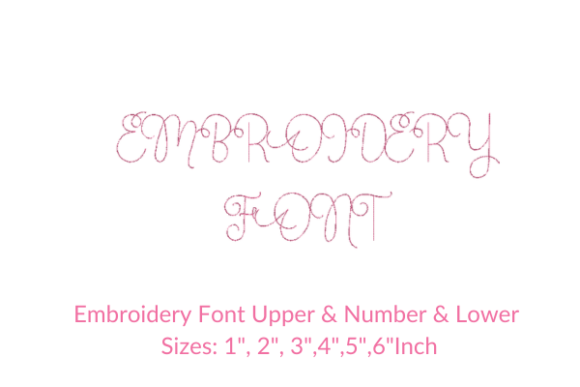
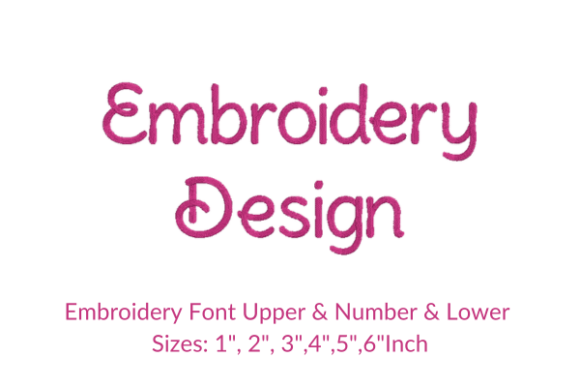
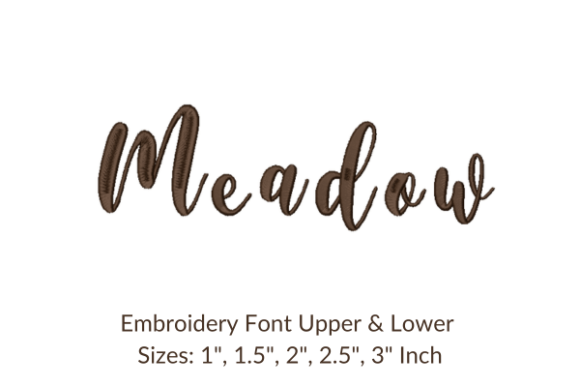
When I first opened the preview for the Meadow Font Embroidery Design, the visual personality was immediately clear. It does not scream "corporate" nor does it feel overly rustic. Instead, it occupies a sweet spot between playful and elegant. The strokes suggest a hand-lettered quality that feels organic, making it an excellent candidate for boutique merchandise, handmade product labels, and creative studio branding. In the world of custom apparel, this style resonates with customers seeking authenticity. It feels less like a mass-produced logo and more like a curated detail.
For a small café looking to embroider their name on aprons, or a florist wanting to add a signature touch to tote bags, this font offers a friendly approachability. It suggests that the business cares about the details. However, as a designer, my immediate concern is always how the digital lines translate to physical thread. Does the flow of the letters maintain integrity when stitched? Based on the description of it being a high-quality asset, the Meadow Font Embroidery Design appears to have well-structured curves that should minimize jagged edges, a common pitfall in lower-tier machine embroidery designs.
Real-World Application: From Patches to Uniforms
The true test of any embroidery file lies in its versatility across different substrates. Let us imagine a local bakery launching a line of branded merchandise. They need a cohesive look across various items. The Meadow Font Embroidery Design shines here. On a heavy canvas tote bag design, the font's character allows for a relaxed, artistic presentation. The slight variations in stroke width can mimic the texture of the fabric itself, creating a harmonious finished product.
Consider the use of this font for staff uniforms. An apron embroidery project requires text that is legible from a distance but detailed enough to look premium up close. Using the Meadow Font Embroidery Design for a chef's name or a welcome quote on the chest pocket adds a layer of professionalism without the stiffness of a standard sans-serif font. Similarly, for cap embroidery, where space is limited and the surface is curved, this font's structure needs to be evaluated carefully. If the letterforms are too open, they may lose definition on a structured cap front. However, if the stitch density is optimized, it could serve as a beautiful accent piece for event merch or customer gifts.
For embroidered patch production, this font is particularly compelling. Patches are often used by outdoor brands, pet companies, and local collectives. A patch featuring a short quote or a brand name in the Meadow Font Embroidery Design would stand out against denim jackets or backpacks. The key here is the border. Since this is a font, you will likely need to pair it with a simple shape or let the text stand alone. The latter works best if the letters are bold enough to hold their own, which seems to be the case with this design's intended use for names and dates.
Critical Considerations for Production
While the potential is high, experienced decorators know that not every font works everywhere. There are specific scenarios where the Meadow Font Embroidery Design must be used with caution. First, consider stitch density. Fonts with fine serifs or delicate loops can become muddy if the stitch count is too high for the area. If you plan to use this for tiny lettering on a cuff or a small tag, you must verify that the design holds up at reduced scales. A beautiful script can turn into a blob of thread if pushed too small.
Secondly, the choice of thread colors and fabric texture is paramount. On dark uniforms, lighter thread is necessary for contrast, but the Meadow Font Embroidery Design might require a backing stabilizer that is robust enough to prevent show-through. Textured fabrics like fleece or thick cotton can distort the smooth lines of a decorative font. Always test on the actual material before committing to a full run of small business merch.
Furthermore, frequent washing is a reality for work shirts and aprons. Ensure that the digitization includes proper underlay stitches to anchor the design. Without this, the delicate parts of the font could pucker or lift over time, damaging your reputation for quality. As a designer, I always advise checking the hoop size requirements. If the design is too large for your machine's hoop, you may have to split the design, which risks alignment issues on the final garment.
Impact on Brand Identity and Customer Trust
In the competitive landscape of handmade brands and digital product sales, visual consistency is everything. The Meadow Font Embroidery Design offers a unique opportunity to differentiate your brand. When a customer receives a product with a thoughtfully chosen, high-quality embroidered font, it signals attention to detail. It transforms a simple item into a keepsake. This directly impacts customer trust and perceived product value.
For Etsy sellers and crafters, using a distinctive font helps in building a recognizable brand identity. Whether it is printed on a printable mockup for your shop listing or stitched onto the actual product, the font becomes part of your visual language. It creates a cohesive story across your design assets. A brand that uses the same font for its website headers, packaging tags, and commercial embroidery projects presents a unified front that professionalizes the business.
Practical Designer Notes for Success
To ensure the best results with the Meadow Font Embroidery Design, follow these practical steps:
- Test in Black and White: Before selecting vibrant threads, run a test in black to check the structural integrity of the letterforms and spacing.
- Verify Scale: Check if the design maintains clarity at the smallest size you intend to use, such as for a sleeve detail or a small patch.
- Inspect Spacing: Adjust the kerning manually if necessary. Automated fonts sometimes space letters too tightly or loosely for embroidery.
- Confirm Licensing: While this is described as a high-quality font, always confirm the commercial licensing terms before using it for business products to avoid legal issues.
- Use Proper Stabilizer: Match the stabilizer to the fabric weight. A tear-away might suffice for stable cotton, but a cut-away is better for stretchy knits.
- Create Mockups: Generate a printable mockup for client approval to visualize how the font interacts with other design elements.
- Compare Assets: Place the font beside your existing logos to ensure visual harmony.
The Meadow Font Embroidery Design is a versatile tool for the modern decorator. It bridges the gap between artisanal charm and professional utility. By understanding its strengths and limitations, you can leverage it to create memorable, high-value merchandise that stands out in the marketplace. Whether for a school uniform accent, a boutique's signature label, or a custom gift, this font has the potential to elevate your work when applied with care and expertise.