The Happy Face Smile Font: A Boutique Review
As an embroidery designer who has spent years perfecting the art of thread and fabric, I approach every new machine embroidery design with a critical eye. When I first opened the file for The Happy Face Smile Font, my goal was simple: determine if this digital asset could elevate a premium sweatshirt collection for a small boutique brand. The market is flooded with generic scripts and basic block letters, but finding a font that balances personality with professional execution is rare. This review explores how this specific embroidery file performs in a real-world commercial setting.
First Impressions: Mood and Stitching Personality
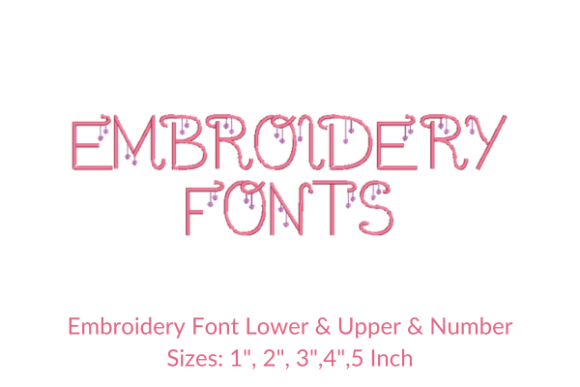
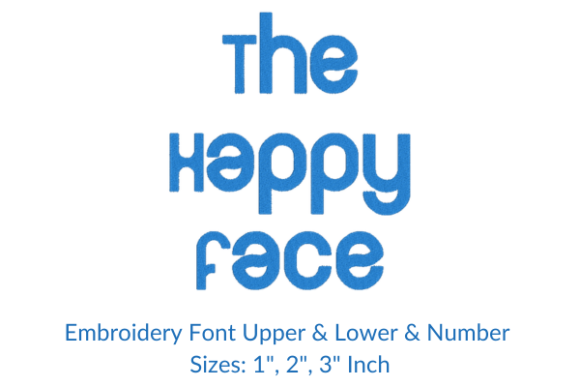
The moment the preview loaded, the playful energy of The Happy Face Smile Font was undeniable. Unlike stiff, traditional typefaces often found in the School category, this font exudes warmth and approachability. The curves are soft yet defined, suggesting a stitch density that should hold up well without feeling overly heavy on delicate fabrics. For a boutique brand aiming to create cozy seasonal apparel, the mood is spot-on. It feels less like a standard text element and more like a decorative graphic that brings life to a garment.
In terms of layout, the characters are designed to flow naturally, making them ideal for short quotes or names. The "smile" aspect implies a subtle curvature or rounded terminals that soften the overall look. This is crucial when designing for oversized hoodies or neutral sweatshirts where you want the text to feel integrated rather than slapped on. The stitching personality appears to be balanced—detailed enough to look high-quality under close inspection but simple enough to avoid excessive jump stitches that can cause puckering.
Evaluating Fabric and Placement Scenarios
When planning a limited drop for a small online shop, versatility is key. I visualized The Happy Face Smile Font across various fabric textures common in sweatshirt embroidery. On a classic heather grey crewneck, the font would likely pop beautifully, especially if paired with a contrasting thread color like mustard yellow or coral. The rounded nature of the letters complements the soft, brushed texture of fleece, creating a cohesive tactile experience.
For dark fabric options, such as charcoal or navy blue hoodies, the font's definition becomes even more important. I anticipate that using a bright white or pastel thread would make the smiley aesthetic stand out, turning a basic hoodie into a statement piece. Conversely, on pastel-colored sweatshirts, a slightly darker thread shade would maintain readability while preserving the gentle vibe of the design. This flexibility makes it a strong contender for custom apparel lines targeting both men and women.
Placement is another critical factor. As a chest logo, The Happy Face Smile Font offers a clean, minimal look that works perfectly for branding a boutique brand. It’s not so large that it overwhelms the wearer, yet distinct enough to be recognized from a distance. Alternatively, using it as a sleeve accent or a back-of-shoulder detail adds a touch of whimsy without dominating the silhouette. For lifestyle product photography, these placements offer excellent angles for mockup previews, allowing Etsy sellers to showcase the font in context with other handmade products.
Thread Colors and Visual Recognition
One of the strengths of this font is its adaptability to different thread colors. Because the shapes are open and friendly, they do not require dense filling that might obscure the design. This allows designers to experiment with variegated threads or metallic accents to add a premium feel. In a competitive market, visual recognition is everything. A unique font like this helps a small shop product stand out in crowded feeds. It signals to the customer that the item is thoughtful and crafted with care, enhancing buyer trust and perceived value.
Practical Designer Concerns and Technical Execution
While the aesthetic appeal is clear, practical concerns must be addressed before moving to production. The primary consideration is stitch density. Fonts with tight curves can sometimes suffer from thread breakage or pulling if the density is too high. Based on the description of this being a high-quality font, I expect the digitization to handle these curves smoothly. However, always test a sample run on your specific machine settings. If the density is too low, the letterforms may appear sparse; too high, and the fabric may pucker, ruining the drape of the sweatshirt.
Fabric thickness also plays a role. Sweatshirts are heavier than t-shirts, requiring a robust stabilizer choice. I recommend using a cut-away stabilizer for long-term durability, ensuring the embroidery remains crisp after multiple washes. The hoop size will depend on the length of the quote or name. For longer phrases, ensure the hoop is large enough to accommodate the text without distorting the natural curve of the font. Small-size readability is another point to check; while the font looks great at larger sizes, verify that the details remain legible when scaled down for pocket logos or wristbands.
Washing durability is non-negotiable for commercial use. Since this font is intended for names, dates, or quotes on any fabric, it must withstand regular laundering. The construction of the stitches should lock securely to prevent fraying over time. As a designer, I always advise checking the digital embroidery file specifications before purchasing. While the product description promises quality, confirming the stitch count and compatible file formats ensures a smooth workflow.
Impact on Brand Identity and Commercial Use
Integrating The Happy Face Smile Font into a collection does more than just add text; it shapes the brand identity. For a boutique brand focused on positivity, comfort, and community, this font acts as a visual anchor. It communicates a message of joy and inclusivity, resonating deeply with customers looking for meaningful handmade products. In the realm of commercial embroidery, having a signature style builds consistency across all merchandise, from hoodie designs to tote bags and hats.
For Etsy sellers and creative entrepreneurs, offering personalized items is a major revenue driver. This font enables easy customization of names and dates, adding a personal touch that mass-produced items lack. It transforms a generic sweatshirt into a cherished keepsake. Furthermore, the ability to use this font on various garments expands the potential inventory without needing to source entirely new design assets. It is a versatile tool that supports scalability for growing businesses.
Final Thoughts on Product Value
Ultimately, The Happy Face Smile Font represents a valuable addition to any designer's library. Its blend of playfulness and professionalism makes it suitable for a wide range of applications, from school spirit wear to casual streetwear. The potential for high-quality finished products is evident, provided that proper attention is paid to stabilizers, thread choices, and machine settings. By leveraging this font, brands can create engaging, memorable pieces that foster customer loyalty and drive sales.
Before committing to a full production run, I strongly suggest creating a few printable mockups to visualize the final result on your specific color palette. Test the design on actual fabric samples to assess the stitch quality and tension. With careful execution, this font can become a cornerstone of your next successful apparel drop, delivering both style and substance to your audience.